
Master Land Clearing in Lafayette, LA & Surrounding Areas
Property owners and developers in Lafayette, Louisiana, and nearby towns such as Broussard, Youngsville, Carencro, Scott, Breaux Bridge, and New Iberia face unique challenges when preparing land for construction or landscaping. With Louisiana’s humid subtropical climate and clay-rich soils, professional land clearing ensures safety, stability, and environmental protection. Whether it’s clearing small residential lots or large commercial acreage, expert services from Hub City Tree & Preservation deliver efficient, eco-friendly, and fully compliant results across Acadiana.
How Should You Plan a Successful Land Clearing Project in Lafayette, LA?
Effective land clearing begins with a comprehensive site assessment. Professionals evaluate topography, vegetation type, soil composition, and drainage patterns before any equipment mobilization. In Youngsville and Carencro, where terrain varies, understanding water flow and soil stability is key. Planning includes setting project goals, timelines, and budgets while ensuring compliance with Lafayette Parish regulations to prevent costly delays.
What Is Included in a Site Assessment for Land Clearing?
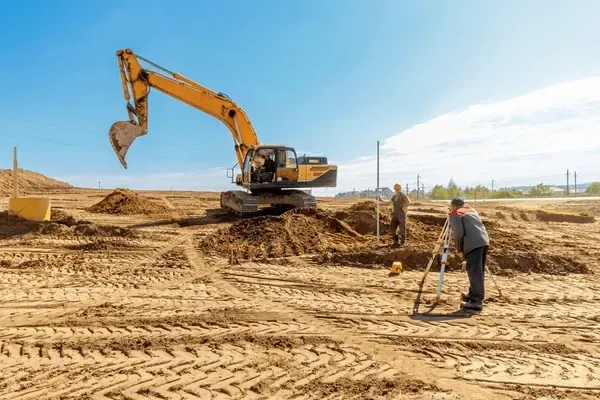
A thorough site evaluation identifies potential hazards, utility lines, and protected areas. Crews measure tree density, brush coverage, and slope stability. This data helps determine the best equipment and clearing methods for the property—whether it’s residential land in Scott or commercial acreage in New Iberia. The result is a detailed plan that promotes safety, minimizes environmental impact, and maximizes efficiency.
When Are Land Clearing Permits Required in Lafayette Parish?
In Lafayette Parish, clearing more than one acre or disturbing regulated wetlands requires official permits. These approvals align your project with local zoning, tree preservation, and stormwater management guidelines. Early communication with parish authorities ensures compliance and integrates erosion control features—such as silt fences or sediment barriers—into the initial plan, preventing fines or project interruptions.
How Does Residential Land Clearing Differ from Commercial Projects?
Residential land clearing typically focuses on selective tree removal to create space for homes, driveways, and landscaped areas, preserving desirable trees. In contrast, commercial land clearing in Broussard or Breaux Bridge involves larger-scale removal, grading, and drainage preparation for construction. Each requires a tailored approach balancing efficiency, safety, and sustainability.
How Does Forestry Mulching Benefit Lafayette’s Environment?
Forestry mulching offers an eco-friendly solution ideal for Lafayette’s humid climate. The process shreds trees and brush into fine mulch that covers and nourishes the soil. It prevents erosion, promotes moisture retention, and supports natural regrowth. Since the material remains on-site, there’s no need for hauling or burning, reducing costs and the project’s environmental footprint.
When Should You Use Traditional Land Clearing Techniques?
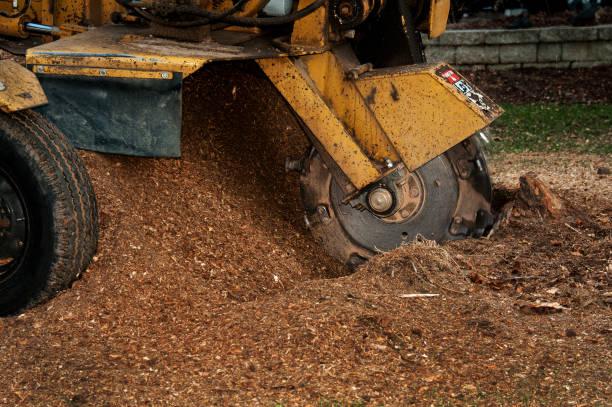
In Broussard, Carencro, and New Iberia, traditional clearing is preferred for construction sites that require full vegetation removal. Using excavators, bulldozers, and stump grinders, crews remove all roots and debris to create a flat, build-ready surface. Though more intensive, this method ensures a clean foundation for large developments and infrastructure projects.
What Safety Steps Are Essential During Land Clearing in Lafayette?
Before work begins, crews establish safety zones, inspect for overhead utilities, and protect wildlife habitats. Workers use protective equipment like helmets, gloves, and steel-toed boots. In Scott and Youngsville, where terrain may be uneven, site preparation includes erosion control barriers and marked pathways for machinery. These measures ensure safety, regulatory compliance, and project stability.
How Is Debris Managed Responsibly After Land Clearing?
Proper debris management follows Lafayette Parish regulations. Mulch is often left in place to stabilize soil, while logs and stumps are recycled or disposed of at approved facilities. Burning is permitted only in designated zones under local air quality rules. This eco-conscious approach minimizes environmental impact and keeps properties clean and safe.
How Should Property Owners Manage Their Site After Land Clearing?
After clearing, property owners should focus on soil stabilization and erosion control. Installing silt fences, spreading mulch, or planting cover crops helps prevent runoff and protects the landscape. In Breaux Bridge and New Iberia, post-clearing management enhances property aesthetics and prepares the land for grading, landscaping, or construction.
What Are Effective Erosion Control and Restoration Techniques?
Protecting soil after clearing involves using mulch mats, straw coverings, and native grass seed. Adding terraces, swales, or check dams along slopes reduces water flow and prevents sediment displacement. These measures are particularly beneficial in Lafayette’s rainy climate, maintaining long-term soil integrity and landscape resilience.
Final Thought
For homeowners, builders, and property managers in Lafayette, LA, and surrounding areas, professional land clearing lays the foundation for every successful project. From planning and permits to execution and erosion control, Hub City Tree & Preservation ensures safe, sustainable, and visually appealing results tailored to your property’s needs.
Contact their team today to request a free land clearing quote and unlock the full potential of your Lafayette property.
What causes soil erosion in Broussard, LA landscapes?
Soil erosion in Broussard and nearby areas like Lafayette and Youngsville is mainly caused by heavy rainfall, poor drainage, and sloped or loose coastal soil. When water flows too quickly across the ground, it carries away topsoil and nutrients, leading to landscape damage and drainage problems.
How can homeowners in Broussard prevent soil erosion naturally?
Homeowners can use natural methods like planting groundcovers, native grasses, and shrubs that stabilize the soil with their root systems. Adding mulch and maintaining healthy vegetation also helps slow down water runoff during Louisiana’s frequent rainstorms.
When is a retaining wall necessary for erosion control?
A retaining wall is recommended for sloped properties or areas where water runoff causes soil movement. In Broussard, Lafayette, and Carencro, retaining walls provide structural support, prevent soil loss, and can be designed to complement your landscape’s aesthetics.
What types of mulch work best for erosion prevention in Louisiana?
Organic mulches like pine straw, bark chips, and wood mulch are ideal for erosion control in Broussard and surrounding towns. They absorb water, reduce runoff, and protect the soil surface from the direct impact of heavy rain.
Why is proper drainage essential for erosion prevention?
Good drainage prevents water from pooling and washing away topsoil. Installing French drains, swales, or permeable pavers in areas like Youngsville and Scott helps manage stormwater safely and maintain a strong, erosion-resistant landscape year-round.
Contact Us
Terms & Conditions
Privacy Policy